When producing a property video meant booking a videographer, most agencies made one kind of video per listing - if they made one at all - and used it everywhere. Now that a video can be made from the listing itself, the useful question is no longer whether to make one but which format fits the property and the place it will be seen.
Here are the three formats, what each one is good at, and a simple way to choose.
One link, three formats
Paste a listing link into siriusly.ai and choose a silent tour, a narrated walkthrough or a UGC-style video with an agent on camera.
Try it freeThe Silent Tour
The property on its own: a sequence of slow camera moves through each space, with the price, the key facts and the agency logo on an overlay. No voice, no person.
Where it works: portals, the listing page itself, and any feed where most people watch with the sound off. Because it carries no speech, it also works in every language at once - only the overlay needs translating.
Where it falls short: it cannot explain anything the pictures do not show - the school catchment, the planning permission, why the price is what it is. It also builds no relationship with the agent.
The Narrated Walkthrough
The same tour, with a voice walking the viewer through it: what each room is, what is special about it, what is nearby. Still no one on screen.
Where it works: listings with a story to tell - a renovation, a historic house, an unusual layout, a location advantage that a photo cannot show. It is the format for detail, and it suits YouTube, listing pages and longer social posts where people do listen.
Where it falls short: in muted feeds, the narration is lost unless it is captioned, and a voice that sounds synthetic undoes a lot of good camera work. The things that give an AI voice away - numbers, prices, addresses - are exactly the things a property narration is full of. The fixes are in the piece on AI voice.
The Agent on Camera
A presenter in front of the property, talking to the viewer like someone they know - the UGC format that dominates social feeds, applied to a listing.
Where it works: Instagram, TikTok and Facebook, where people stop for faces far more readily than for rooms. It builds the agent's personal brand along with the listing, which is the real long-term value: the viewer who is not buying this house may remember who showed it to them.
Where it falls short: it takes the most attention to get right, and the presenter competes with the property for the screen. For a property that sells on its interiors, the person should frame the tour, not cover it.
Choosing: A Simple Grid
| Situation | Best format |
|---|---|
| Portal and listing page | Silent tour |
| Paid social, muted feeds | Silent tour or agent on camera with captions |
| Organic social, building a following | Agent on camera |
| Property with a story (renovation, history, location) | Narrated walkthrough |
| International buyers, several languages | Silent tour, or one walkthrough per language |
| Commercial property | Silent tour or walkthrough, matter-of-fact |
If there is budget for only one, make the silent tour: it works in the most places and never sounds wrong. If there is budget for two, add the agent on camera for social, so the tour sells the listing and the presenter builds the brand.
Vertical or Horizontal?
Both, if the video will run in more than one place. Vertical 9:16 is native to Reels, TikTok, Shorts and most phone viewing; horizontal 16:9 suits YouTube, websites, portals with landscape players and TV screens in agency windows.
The listing photos themselves are almost always landscape, so a vertical tour keeps roughly the middle of each frame. That is one more reason to keep the important part of each room near the centre when photographing, as covered in the piece on listing photos. For on-screen text in the vertical cut, the platform safe zones in the vertical video specs guide apply in full - an overlay with the price hidden behind the like button is a wasted overlay.
Commercial Property Changes the Brief
A business tenant or investor is checking whether the space works: floor area, ceiling height, loading access, parking, the condition of the offices. That changes all three formats.
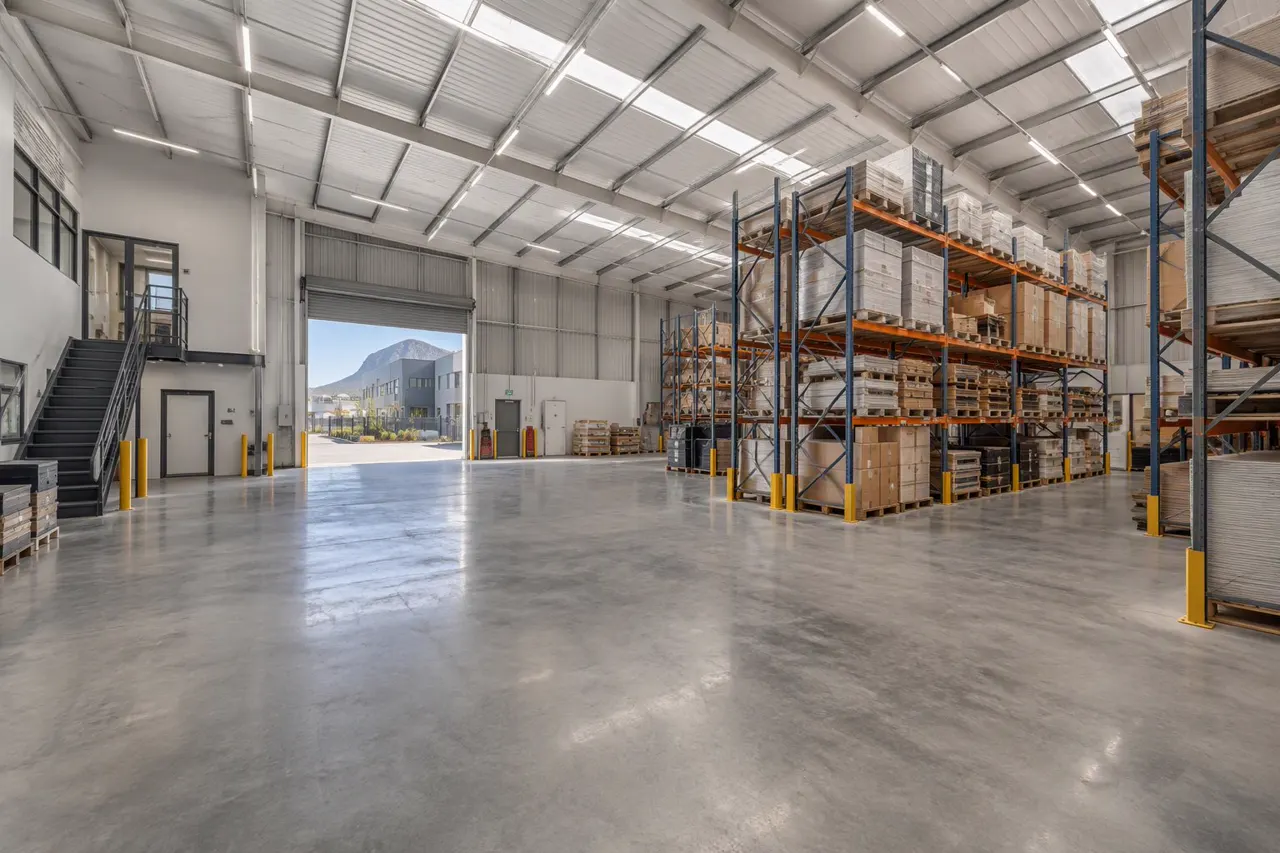
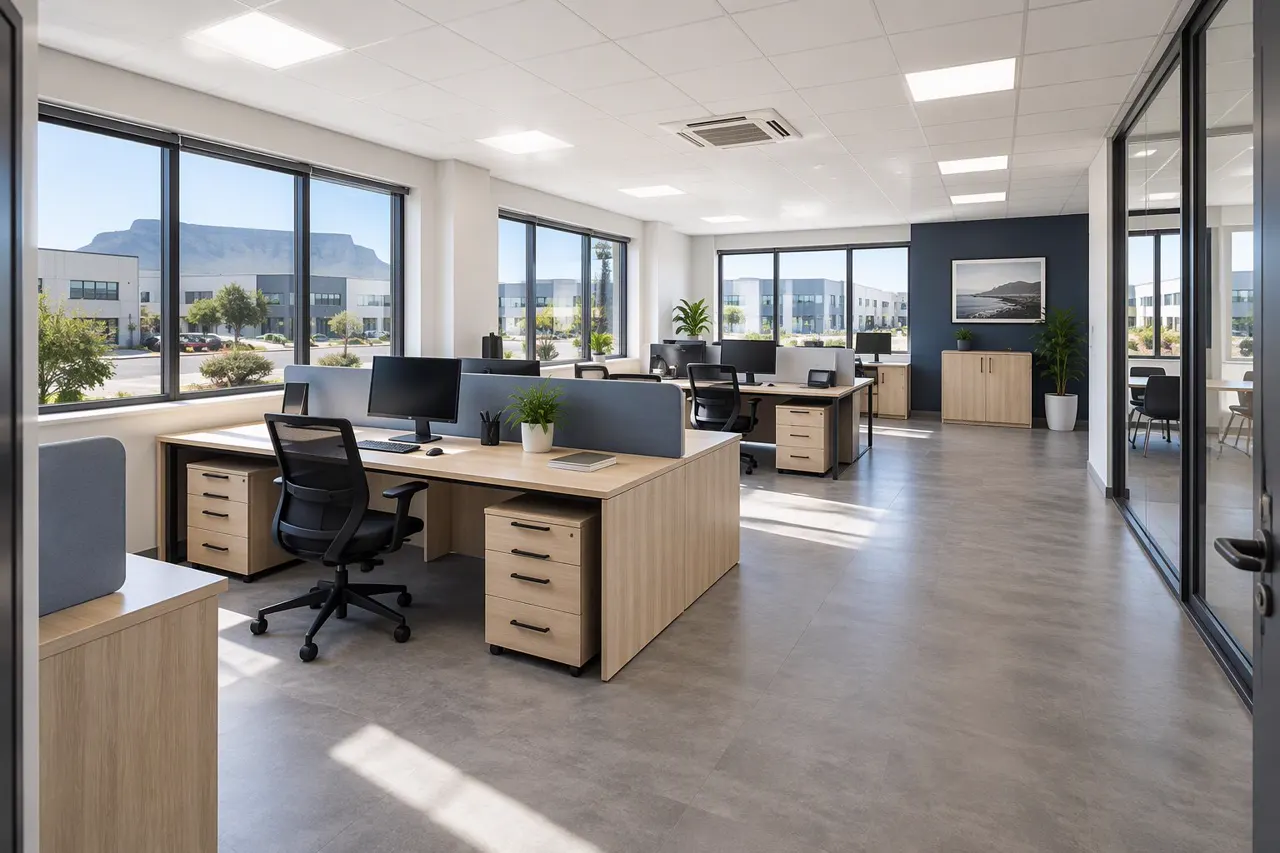
- The overlay facts change: floor area and price per square metre matter more than bedrooms and bathrooms.
- Staging changes: empty units are fitted out as offices, workshops or retail, not furnished as homes.
- The script changes: direct, factual, built around use, access and yield rather than lifestyle.
The agent-on-camera format still works for commercial property, particularly for agents known in a local market, but the tone should be closer to a briefing than a home tour.
Common Mistakes
One video everywhere. A 60-second horizontal walkthrough with narration posted to a muted vertical feed loses the narration and most of the frame.
Fix: match the format and the aspect ratio to the placement. Producing a second version is now the cheap part.
The presenter covering the best room. A person standing in front of the view is a person blocking the view.
Fix: keep the presenter to one side, and let the tour have the frame for the strongest spaces.
Narration that reads the listing aloud. "Four bedrooms, two bathrooms, double garage" is already on the overlay.
Fix: narrate what the facts cannot say - the light in the evening, the walk to the station, why the kitchen was rebuilt.
FAQs
How long should a property video be?
Around 30 seconds for social, up to a minute for a full tour on a portal or YouTube. The room order piece shows how many spaces fit at each length.
Does the agent have to be a real person?
No. A generated presenter can carry the agent-on-camera format, which is useful for agencies without someone who wants to be on camera for every listing. Label it as AI-generated where the rules require it.
Should every listing get a video?
When a video is made from the listing itself, the cost argument for only doing it on premium listings mostly disappears. The silent tour is the sensible default for every listing; the other formats can be kept for the properties and placements that justify them.
Do I need music?
A soft background bed helps a silent tour on platforms where people listen, and should sit well under any narration. On portals and muted feeds, it makes no difference either way.